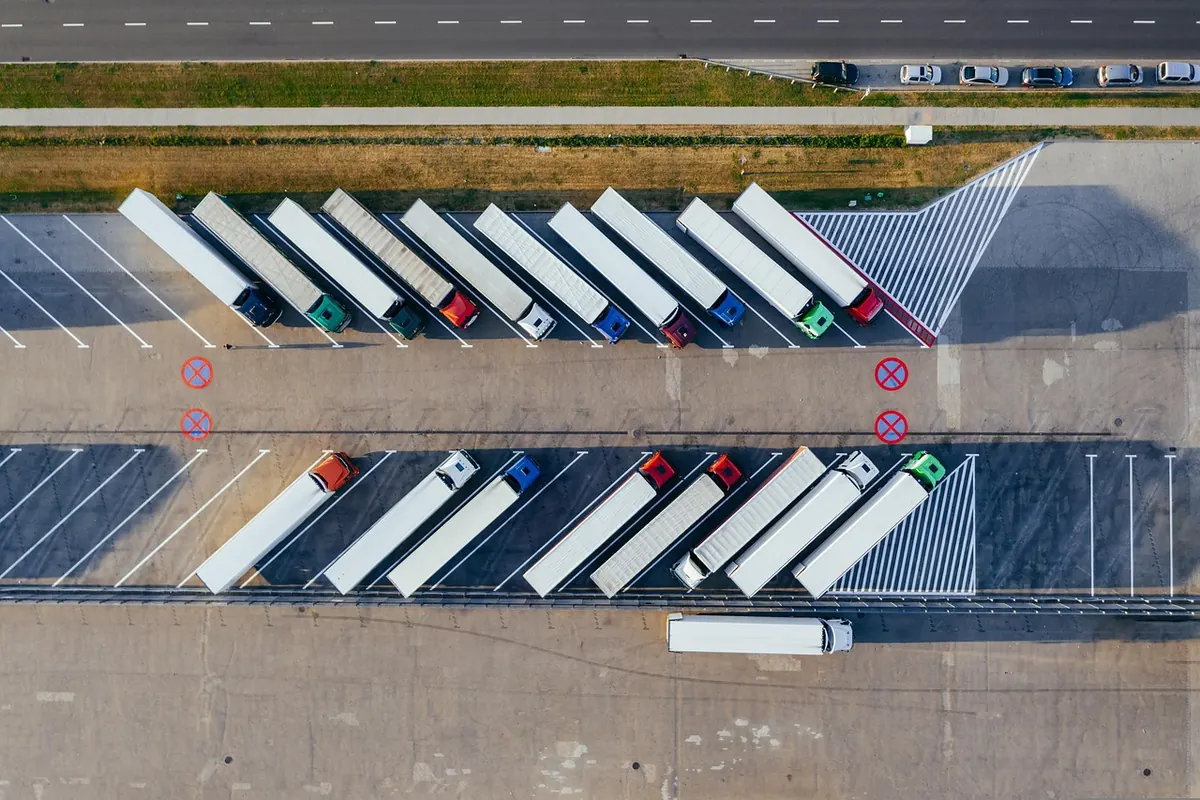
A container of engine spares clears a terminal on the strength of paperwork that nobody reads twice — except one line. The tariff code on the customs entry decides what duty is owed, whether a licence or certificate applies, and how long the box sits before release. Get it right and nothing happens, which is the point. Get it wrong and the bill can arrive months later, after the goods have been paid for and fitted to a vessel.
What the code actually is
The Harmonized System is a numbered vocabulary of traded goods, maintained internationally and administered nationally. Chapters group broad families of products, four-digit headings describe categories, and six-digit subheadings narrow them down. The first six digits are the same across participating countries. Everything after that is national: the United States runs to ten digits, the European Union and the United Kingdom add their own extensions, and many other administrations append statistical suffixes of their own.
Classification is a legal exercise, not a labelling one. Customs officers look at what the goods objectively are — composition, function, method of manufacture, presentation — and then apply the heading text, the section and chapter notes, and the General Interpretative Rules that govern how the nomenclature is read. The name your supplier uses on a website is irrelevant. A pump sold inside something marketed as a "deck wash kit" is still, in tariff terms, a pump.
Duty rates, preferences and the numbers behind the number
Two subheadings a page apart in the tariff can carry noticeably different duty rates, and neighbouring codes often attract different regulatory requirements as well. That is the first cost of a misclassification: money, paid quietly on every entry until somebody notices.
There are others. Preferential rates are not a separate question from classification — product-specific rules of origin are written against specific headings and subheadings, so the wrong code can disqualify goods that genuinely qualify for a trade agreement. Anti-dumping and countervailing measures are also scoped by code; moving a product into or out of that scope through sloppy classification is a compliance failure, not a tax-planning opportunity. In many jurisdictions, import VAT or GST is calculated on a value that includes duty, so a small classification error can ripple through several lines of the landed-cost calculation.
When customs comes back with questions
Queries usually arrive in one of three forms: a request for information on a live entry, an examination or laboratory test at the port, or a post-clearance audit that lands a year or two after the shipment. All three cost time. A held container accrues demurrage and storage day by day, and a missed delivery window can disrupt a vessel's maintenance schedule more expensively than the duty itself.
How you answer matters. Reply within the deadline, in writing, and answer the question asked rather than restating the invoice. Attach the technical evidence that supports the code: specification sheets, drawings, photographs, a bill of materials, the manufacturer's literature, a description of how the item works in service. If the query reveals that you were wrong, say so and correct it. Customs administrations generally treat a prompt, documented correction differently from an error discovered only under pressure.
The paper trail, and the risks beyond duty
The commercial invoice and the entry must tell the same story. "Marine parts" or "boat equipment" is not a description; "stainless steel 316 cleat, 200 mm, cast, unpolished" is. Vague descriptions are the single most common reason a routine entry gets pulled aside.
The exposure for a genuine misclassification goes beyond the underpaid duty. Depending on the jurisdiction and whether the error looks negligent, careless or deliberate, you may face penalties calculated as a multiple of the duty, retroactive assessments across past entries, delays while licences you did not know you needed are obtained, or in serious cases seizure of the goods. Repeated problems can affect your standing in trusted-trader or authorised-economic-operator programmes, which is where the real commercial damage sits: fewer fast-lane releases, more inspections, slower cash flow.
Keep classification records for as long as your customs administration requires — commonly several years after the entry — and keep the reasoning, not just the code.
A practical method for classifying a new item
Work through the same sequence every time, and write it down as you go. A short classification memo, two paragraphs long, is worth more than a warehouse of good intentions.
- Describe the goods technically. What is it made of, what does it do, how does it function, is it a part of something or a complete article? Photographs help; marketing copy does not.
- Read the heading text and the chapter notes. Chapter notes are legally binding and frequently exclude things that look obvious. Read the section notes too.
- Apply the General Interpretative Rules in order. Unfinished articles, mixtures, sets, and packaging all have their own rules, and the "essential character" test decides many of the awkward cases.
- Go down to the national digits. The six-digit level may be agreed; the last four or more decide your rate and your permit requirements.
- Look for precedent. Published rulings, tariff databases and advance-classification decisions on similar goods are the fastest way to see how an administration actually reads a heading.
- Ask before you ship. A broker or trade adviser can confirm a code in days; a dispute at the border takes months.
Verifying before the goods move
Where the duty at stake is material, consider a binding ruling — an advance classification decision issued by the customs authority, which holds for a defined period provided the goods and the facts match what you described. It is not glamorous work, and it takes a few weeks, but it converts an argument into a document.
Two habits prevent most repeat problems. First, stop copying codes from suppliers' invoices. Suppliers classify for their own purposes, sometimes for a different country, and the code can be several years stale. Second, put a classification gate on your item master data: no new product code goes live in the system without a tariff code and a name against it. The international nomenclature is revised periodically and national tariffs change every year, so review your high-value and high-volume lines when the new edition takes effect.
Where duty exposure or penalty risk is significant, take a written opinion from a licensed customs broker or trade counsel. General good practice is no substitute for advice on your specific goods and your specific jurisdiction.
A short working routine
Keep one file per product family: the technical description, the code, the reasoning, the ruling if you have one, and the date it was last reviewed. Brief whoever writes your commercial invoices on how to describe the goods so the paperwork matches the entry. Track query responses like you track shipments, because a missed deadline is a self-inflicted delay. Once a year, pull your ten highest-duty and ten highest-volume lines and check them again.
None of this is dramatic. It is the difference between a container that leaves the terminal on schedule and one that waits three weeks while somebody in an office tries to remember why a fitting was classified as a fitting rather than as part of a winch.
Photo: ernestoeslava / Pixabay