A container that lands four days late should not cost you four days of warehouse throughput. Yet that is exactly what happens when the inland plan is a straight line — vessel, terminal, truck, dock — with every handoff booked for the day after the one before it. One slip and the whole chain has to be rebuilt by phone at seven in the morning. A schedule that survives delays is not a more optimistic schedule. It is one built with the delay already inside it.
Anchor the Plan to Availability, Not to the ETA
The first mistake is treating the arrival notice as a date. It is a forecast. Between the vessel's estimated arrival and a container you can actually lift, several things have to happen: the ship berths, the box is discharged, it clears any holds, the carrier releases it, and the terminal makes it available for pickup. Any of those can add a day.
So keep three dates in front of you at all times. The earliest plausible availability is the best case if everything lands clean. The working date is what you would bet a modest amount of money on. The latest tolerable date is the one that actually matters — the day your production line, your customer's cutoff, or your seasonal window needs the goods in the building.
Everything between earliest and latest tolerable is your room to manoeuvre. If that gap is two days and your ocean transit has been running three days late for a month, you do not have a schedule. You have a wish. The fix happens now, while there is still time to book a different slot or warn the customer, not on the morning the truck is due.
Read the Terminal's Rules Before You Book a Truck
Terminals are not interchangeable, and the details that break schedules are usually administrative rather than physical. Before drayage is booked, confirm:
- Gate hours and appointment rules. Some terminals run appointment systems with tight release windows; some still work largely first-come. Know which one you are dealing with and how far ahead slots open.
- The last free day. Pull it from the terminal or carrier system and write it at the top of the file. Free time is normally counted in calendar days, so a Friday discharge can quietly burn two days before anyone touches the box on Monday.
- Holds. Customs, carrier, or documentation holds each sit in a different queue and clear at different speeds. A clean release is not the same as an available container.
- Chassis and equipment. Whether a chassis comes with the box or has to be sourced separately changes how the driver's day is built.
If you are unsure how a particular charge or free-time rule applies to your contract, check the tariff and, where money is at stake, get it confirmed in writing by the carrier or a freight professional rather than relying on a colleague's recollection.
Build the Drayage Layer With a Backup Already Named
Trucking capacity is the part of the plan most likely to be renegotiated at short notice, so book it in layers rather than in a single call. The primary carrier should have a named dispatcher you can reach, not just a general inbox. The secondary carrier should already hold the release and the delivery address so that switching is a phone call, not a paperwork exercise.
Two habits pay for themselves. First, ask about dual transactions: pairing an empty return or an export pickup with the import delivery so the driver's day carries two moves instead of one. Second, ask whether the container can be pre-pulled to a yard and delivered from there. Pre-pulling costs money, but it converts an unpredictable terminal wait into a predictable local run — often the difference between hitting a warehouse slot and losing it.
Also sanity-check driver hours and the realistic round trip. A terminal that looks close on a map can still be a four-hour experience on a bad gate day.
Book the Warehouse Slot First, Then Fit the Truck to It
Receiving capacity is usually the hardest constraint in the whole chain, and it is the one people book last. Reverse that. Talk to the warehouse before drayage is confirmed, and ask for a window rather than an hour. A dock that accepts deliveries from 06:00 to 14:00 is far easier to hit than a 09:30 appointment, and it gives the trucker room to absorb a slow gate.
While you are on that call, settle the things that quietly cause a rejected delivery:
- Who unloads, and how long a typical container takes.
- Whether the site needs equipment you are expected to supply, such as a pallet jack or a specific ramp.
- What documentation the driver must hand over, and in what form.
- Whether the site accepts a live unload or requires a drop, and what a drop costs in trailer time.
- Which day of the week is genuinely least congested, as opposed to which day is nominally open.
Get the appointment reference in writing and pass it to the dispatcher the same day. A slot that exists only in someone's memory is not a slot.
Put Buffer Time at the Joints, Not at the End
"Add a day of buffer" is not a plan; it is a rounding error. Buffer works when it sits at the specific points where variability actually lives. In practice, that means three placements: a gap between availability and the first pickup attempt, a gap between pickup and the warehouse slot, and a gap before the last free day so you are never choosing between demurrage and a missed appointment.
Size each one against the leg it protects. A terminal with reliable appointment keeping needs less than one that has been congested for weeks. If a vessel has been consistently running two days late, treat it as a two-day-late vessel and schedule accordingly; the schedule that assumes the published date is the one that breaks.
Above all, do not spend the buffer twice. If you use the pickup gap to absorb a late vessel, the warehouse gap is now the only thing protecting you. Track which buffers have already been consumed, the same way you would track a budget.
Write It So Someone Else Can Run It at Six in the Morning
A schedule only survives delays if the person answering the phone at dawn can act without reconstructing the whole file. Keep one page, one row per container, with a fixed set of columns: container number, last free day, earliest pickup date, warehouse slot and reference, driver and dispatcher contact, and the next action with a deadline.
Then write the triggers. If the vessel is not berthed by Tuesday noon, call the dispatcher and move the slot to Thursday. If the hold is still active on Wednesday, pre-pull and deliver from the yard. Triggers turn a delay into a decision that someone has already made, which is the whole point.
The Daily Check That Keeps It Honest
Review the page every morning, not every crisis. Confirm three things for each container: where it physically is, what the next action is, and who owns that action. Update the last free day if it has moved. Tell the warehouse early if a slot is at risk — receiving teams are far more flexible when they hear about a problem a day ahead than when a truck appears at the wrong time.
None of this prevents delays. Ships arrive late, holds appear, gates back up. What it does is keep a late container from becoming a late delivery, and keep the recovery work to a phone call instead of a rebuild. Build the delay into the plan and the plan stops being the thing that fails first.
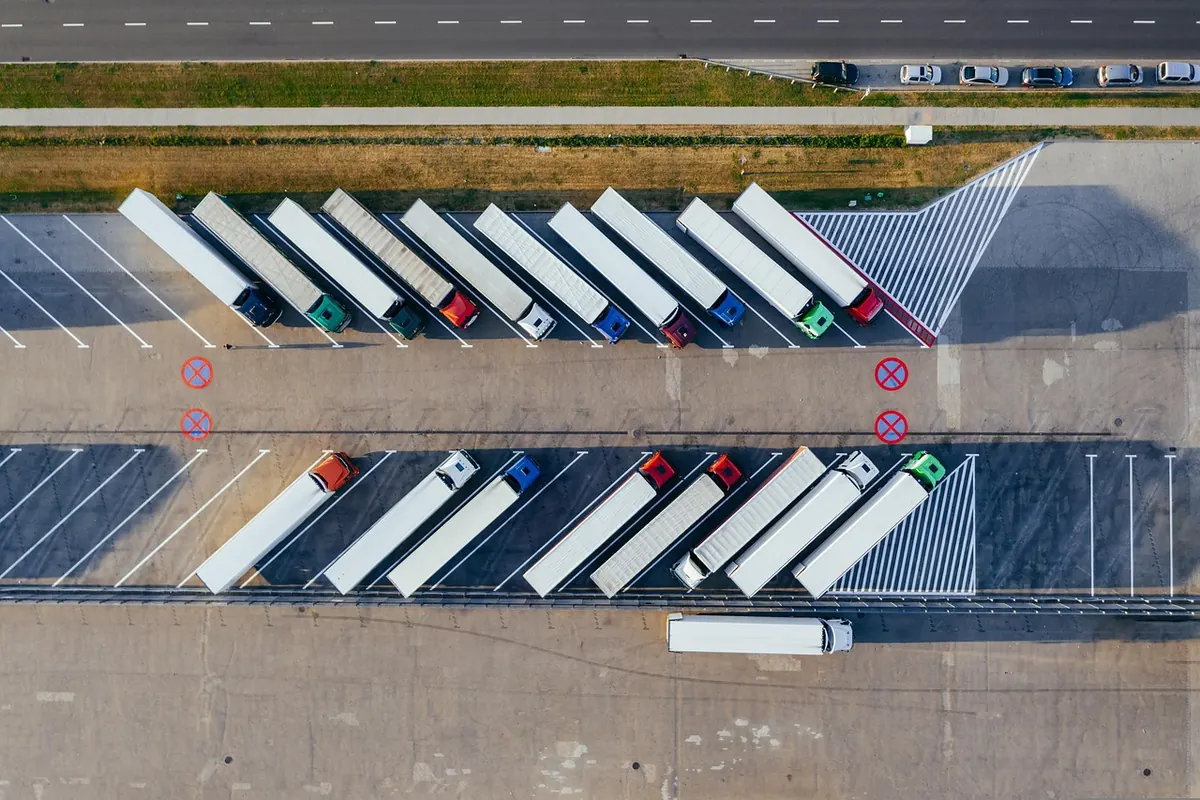
Photo: marcinjozwiak / Pixabay